
Nonprofit Policies and Procedures: A Comprehensive Guide
Velora, powering Aplos, Keela, and Raisely, offers a valuable, free downloadable guide designed to assist nonprofit leaders in effectively navigating policy creation and implementation.
Nonprofit organizations operate within a unique landscape, demanding meticulous attention to governance and operational integrity. Establishing robust policies and procedures isn’t merely a best practice; it’s fundamental to sustained success and public trust. A well-defined framework ensures consistent operations, clarifies roles and responsibilities, and safeguards the organization’s mission.

Velora, the technology suite behind Aplos, Keela, and Raisely, recognizes these challenges and has released a free downloadable guide to empower nonprofit leaders. This resource serves as a starting point, offering insights into crafting policies that align with legal requirements and ethical standards. It’s a proactive step towards minimizing risk and maximizing impact.
This guide isn’t a one-size-fits-all solution, but rather a foundational resource to build upon, tailored to the specific needs and context of each nonprofit. It emphasizes the importance of documented processes for transparency and accountability.
Why are Policies and Procedures Crucial for Nonprofits?
Policies and procedures are the backbone of a well-managed nonprofit, extending beyond simple compliance. They foster a culture of accountability, ensuring everyone understands expectations and operates with consistency. Without them, organizations risk inconsistencies, misunderstandings, and potential legal vulnerabilities.

Velora’s recently released free downloadable guide highlights this critical need, emphasizing how clear guidelines protect both the organization and its stakeholders. These documents streamline operations, making it easier to onboard staff and volunteers, and to delegate responsibilities effectively.
Furthermore, strong policies demonstrate responsible stewardship of donor funds, building trust and encouraging continued support. They also provide a framework for addressing conflicts, protecting sensitive information, and navigating complex situations. Investing in policy development is an investment in the organization’s long-term sustainability and impact.
Legal Compliance and Nonprofit Status
Maintaining nonprofit status hinges on strict adherence to both federal and state regulations. Comprehensive policies and procedures are paramount in demonstrating this commitment to legal compliance, safeguarding the organization’s tax-exempt standing. Areas like conflict of interest, whistleblower protection, and financial management require documented protocols.
Velora’s free downloadable guide underscores the importance of these safeguards, offering resources to help nonprofits navigate the complex legal landscape. Proper documentation proves due diligence during audits and inquiries from regulatory bodies like the IRS.
Failure to comply can result in penalties, including loss of tax-exempt status, fines, and reputational damage. Proactive policy development, therefore, isn’t merely best practice – it’s essential for survival. A well-defined framework minimizes risk and ensures the organization operates ethically and legally.
The Role of a Policies and Procedures Manual
A robust policies and procedures manual serves as the cornerstone of effective nonprofit governance and operations. It’s a centralized repository of guidelines, clarifying expectations for staff, board members, and volunteers, ensuring consistency and accountability across the organization.
Velora’s free downloadable guide emphasizes the manual’s crucial role in streamlining processes, mitigating risks, and fostering a culture of transparency. It provides a clear roadmap for decision-making and operational efficiency, reducing ambiguity and potential conflicts.
Beyond internal guidance, the manual demonstrates a commitment to responsible stewardship to donors and stakeholders. It’s a vital document during audits and leadership transitions, preserving institutional knowledge. Regularly updated and readily accessible, the manual is not a static document, but a living resource for organizational health.

Core Policy Areas for Nonprofits
Velora’s guide highlights essential areas like conflict of interest, whistleblower protection, financial management, and data security – crucial for nonprofit operational integrity.
Conflict of Interest Policy
A robust Conflict of Interest Policy is paramount for nonprofit organizations, ensuring decisions prioritize the mission over personal gain. Velora’s downloadable resource emphasizes the necessity of clearly defining what constitutes a conflict, encompassing financial relationships, familial ties, and outside business ventures.
The policy should outline a disclosure process, requiring board members, staff, and volunteers to annually reveal any potential conflicts. A designated committee or individual should then review these disclosures, determining if a conflict exists and, if so, establishing a plan for managing it. This might involve recusal from voting on related matters or complete removal from the decision-making process.
Transparency is key; the policy and disclosure statements should be readily accessible. Regular training on the policy reinforces understanding and encourages proactive disclosure. A well-defined Conflict of Interest Policy safeguards the organization’s reputation, maintains public trust, and ensures ethical governance, as highlighted within Velora’s comprehensive guide.
Whistleblower Protection Policy
A comprehensive Whistleblower Protection Policy is crucial for fostering a culture of accountability and ethical conduct within a nonprofit. Velora’s guide stresses the importance of establishing a safe and confidential reporting mechanism for individuals to raise concerns about suspected illegal or unethical activities without fear of retaliation.
The policy should clearly define what constitutes reportable wrongdoing, including fraud, mismanagement, and violations of legal or ethical standards. It must guarantee anonymity to the extent possible and outline a thorough investigation process, conducted by an independent party.
Protection against retaliation – including termination, demotion, or harassment – is the cornerstone of this policy. Organizations must demonstrate a commitment to non-retribution through consistent enforcement and clear communication. A robust Whistleblower Policy, as detailed in Velora’s resource, not only protects individuals but also strengthens the organization’s integrity and promotes responsible governance.
Document Retention and Destruction Policy
Velora’s downloadable guide highlights the necessity of a clearly defined Document Retention and Destruction Policy for all nonprofits. This policy establishes guidelines for how long various organizational records – financial statements, meeting minutes, personnel files, and program documentation – must be retained to meet legal, regulatory, and operational needs.
The policy should categorize documents based on retention periods, aligning with relevant laws like those pertaining to tax filings and grant requirements. It must also detail a secure and compliant method for document destruction, preventing unauthorized access to sensitive information.
Regular review and updates are vital, as legal requirements evolve. A well-crafted policy minimizes legal risks, supports audits, and ensures efficient information management. Velora’s resource emphasizes that a systematic approach to document lifecycle management is fundamental to good nonprofit governance and transparency.
Financial Management Policies
Velora’s comprehensive guide underscores that robust Financial Management Policies are the cornerstone of nonprofit accountability and sustainability. These policies should detail procedures for handling all financial transactions, including receiving donations, disbursing funds, and managing investments.
Key elements include segregation of duties to prevent fraud, authorization protocols for expenditures, and regular bank reconciliations. The guide stresses the importance of establishing clear internal controls and adhering to Generally Accepted Accounting Principles (GAAP).
Furthermore, policies should address cash handling, petty cash management, and the approval process for contracts. Velora emphasizes that transparent and well-documented financial practices build trust with donors, grantors, and the public, demonstrating responsible stewardship of resources and ensuring long-term organizational health.
Budgeting and Financial Reporting
Velora’s downloadable resource highlights that effective Budgeting and Financial Reporting are vital for nonprofit success, enabling informed decision-making and demonstrating impact. The guide recommends a clearly defined annual budgeting process, involving key stakeholders and aligning with the organization’s strategic goals.
It stresses the need for regular budget-versus-actual analysis, identifying variances and implementing corrective actions. Financial reports – including balance sheets, income statements, and cash flow statements – should be prepared in accordance with GAAP and reviewed by the board of directors.

Velora emphasizes transparency in reporting to donors and funders, showcasing how contributions are utilized. Accurate and timely financial reporting not only ensures compliance but also strengthens credibility and fosters continued support for the nonprofit’s mission.
Expense Reimbursement Policy
Velora’s comprehensive guide underscores the importance of a detailed Expense Reimbursement Policy for nonprofits, ensuring fairness, accountability, and compliance. The policy should clearly outline eligible expenses – travel, meals, lodging – and establish pre-approval procedures for significant costs.
It recommends specifying acceptable documentation requirements, such as receipts and expense reports, and defining reimbursement methods. The guide advises setting reasonable spending limits and adhering to IRS regulations regarding substantiation.
Velora highlights the need for consistent application of the policy across the organization, avoiding preferential treatment. A well-defined policy protects both the nonprofit and its employees/volunteers, minimizing potential conflicts and maintaining financial integrity. Proper documentation is key for audit purposes.
Procurement Policy
Velora’s downloadable resource emphasizes a robust Procurement Policy as vital for nonprofit transparency and responsible spending. This policy should detail procedures for acquiring goods and services, promoting fair competition and preventing conflicts of interest.
The guide suggests establishing spending thresholds requiring different levels of approval – for example, quotes for purchases exceeding a certain amount. It recommends documenting the selection process, including vendor evaluation criteria, to demonstrate due diligence.
Velora stresses the importance of obtaining competitive bids whenever feasible and maintaining records of all procurement activities. A clear policy ensures that resources are used efficiently and ethically, aligning with the nonprofit’s mission. Adherence to the policy safeguards against misuse of funds and maintains donor trust.

Operational Policies & Procedures
Velora’s guide highlights the necessity of well-defined operational policies, covering areas like HR, volunteer management, and data security for smooth nonprofit function.

Human Resources Policies
Robust Human Resources (HR) policies are foundational for any successful nonprofit organization, ensuring fair treatment, legal compliance, and a productive work environment. Velora’s comprehensive guide emphasizes the critical need for clearly documented HR procedures, covering everything from recruitment and hiring to performance management and termination.
These policies should explicitly outline expectations regarding employee conduct, including ethical guidelines and conflict-of-interest protocols. A well-defined HR section within your policies and procedures manual should also address crucial aspects like equal opportunity employment, anti-discrimination, and harassment prevention.
Furthermore, the guide stresses the importance of detailing procedures for handling employee grievances, ensuring a transparent and equitable resolution process. Properly crafted HR policies not only protect the organization legally but also foster a positive and supportive workplace culture, attracting and retaining talented individuals dedicated to the nonprofit’s mission.
Employee Handbook Essentials
A comprehensive employee handbook, directly informed by your organization’s broader policies and procedures manual, is vital for communicating expectations and ensuring consistency. Velora’s downloadable resource highlights key elements that must be included, starting with a clear statement of the nonprofit’s mission, values, and culture.
Essential components include detailed descriptions of job roles, performance evaluation processes, and disciplinary procedures. The handbook should also clearly outline benefits packages, leave policies (vacation, sick, parental), and compensation details.
Furthermore, it’s crucial to address legal compliance matters, such as workplace safety regulations and data privacy protocols. A well-structured handbook serves as a central reference point for employees, minimizing misunderstandings and promoting a harmonious work environment. Regularly updating the handbook, in alignment with policy revisions, is also paramount.
Volunteer Management Policy
Effective volunteer management hinges on a clearly defined policy, often detailed within a broader nonprofit policies and procedures manual – resources like those offered by Velora can be invaluable. This policy should outline the recruitment, onboarding, training, and supervision of volunteers. It must articulate volunteer roles, responsibilities, and expectations, ensuring alignment with the organization’s mission.
Crucially, the policy needs to address risk management, including background checks and liability waivers. Clear guidelines regarding volunteer hours, expense reimbursement (if applicable), and recognition are also essential.
A robust policy protects both the organization and its volunteers, fostering a positive and productive volunteer experience; It should also detail procedures for addressing volunteer performance issues or misconduct, ensuring fairness and consistency. Regular review and updates are vital to maintain compliance and best practices.
Data Privacy and Security Policy
A comprehensive Data Privacy and Security Policy is paramount for nonprofits, especially given the sensitive information often handled – donor details, client records, and staff data. Resources like those from Velora, offering nonprofit policy guidance, emphasize the importance of outlining data collection, usage, storage, and protection practices.
This policy must comply with relevant data protection regulations (like GDPR or CCPA, if applicable) and clearly define access controls, data encryption methods, and procedures for data breach notification. It should detail employee training requirements regarding data security and responsible data handling.
Regular data backups, disaster recovery plans, and protocols for secure data disposal are also crucial components. A well-defined policy demonstrates a commitment to protecting privacy and builds trust with stakeholders, safeguarding the organization’s reputation and legal standing.
Social Media Policy
A robust Social Media Policy is essential for nonprofits to maintain brand consistency, protect their reputation, and ensure responsible online engagement. Resources, such as those provided by Velora through their nonprofit policy guides, highlight the need for clear guidelines regarding content creation, posting frequency, and appropriate online behavior for staff and volunteers.
The policy should address issues like confidentiality, avoiding controversial topics, and responding to negative comments or inquiries. It must also outline procedures for monitoring social media channels and addressing potential crises. Defining who is authorized to post on behalf of the organization is critical.
Furthermore, the policy should clarify ownership of content, copyright considerations, and compliance with platform-specific terms of service, fostering a safe and productive online presence.
Governance and Ethical Considerations
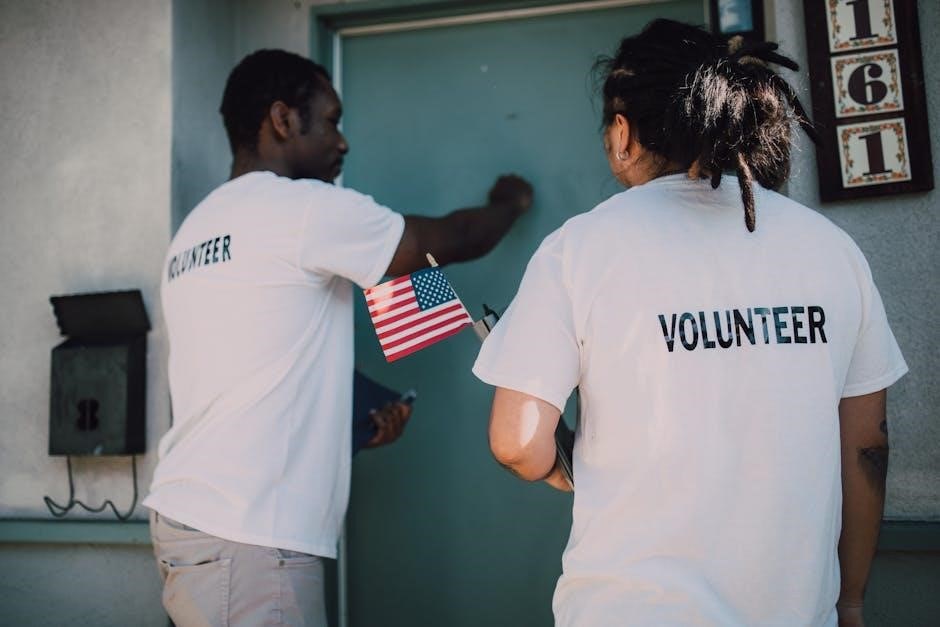
Velora’s guides emphasize strong governance, ethical fundraising, and transparent gift acceptance policies, crucial for nonprofit integrity and maintaining public trust, as outlined in their PDF.
Board of Directors Policies
Effective board policies are foundational to sound nonprofit governance, and Velora’s resources highlight their importance. These policies should clearly define director responsibilities, including duties of care, loyalty, and obedience. A comprehensive policy framework addresses conflict of interest situations, ensuring impartial decision-making and safeguarding organizational assets.
Furthermore, robust policies govern board member recruitment, orientation, and evaluation processes, fostering a skilled and engaged board. Meeting conduct guidelines, outlining quorum requirements and decision-making protocols, are also essential. Velora’s downloadable guide likely details best practices for documenting board actions through detailed minutes, ensuring accountability and transparency.
Policies regarding board term limits and succession planning contribute to long-term organizational stability. Finally, a clear policy on board self-evaluation promotes continuous improvement and ensures the board effectively fulfills its oversight role, as detailed within the provided PDF resources.
Gift Acceptance Policy
A well-defined Gift Acceptance Policy is crucial for nonprofits, and Velora’s guide likely emphasizes its necessity. This policy outlines the types of gifts the organization will and will not accept – including cash, securities, real estate, and in-kind donations. It establishes procedures for evaluating gifts with potential restrictions or liabilities, ensuring alignment with the organization’s mission.
The policy should detail valuation methods for non-cash gifts, crucial for accurate financial reporting and tax compliance. It also addresses donor recognition protocols, maintaining ethical fundraising practices. Velora’s resources probably highlight the importance of legal review for significant or complex gifts, mitigating potential risks.
Furthermore, the policy should clarify procedures for handling anonymous gifts and gifts that require special handling due to their nature. A clear gift acceptance policy protects both the donor and the nonprofit, fostering trust and encouraging continued philanthropic support, as detailed in the downloadable PDF.
Fundraising Policies and Procedures
Velora’s comprehensive guide likely stresses the importance of robust Fundraising Policies and Procedures for nonprofit success. These policies should detail ethical fundraising practices, ensuring transparency and accountability to donors. They cover areas like solicitation methods – online, direct mail, events – and adherence to relevant state and federal regulations.

The procedures should outline gift acknowledgment processes, donor database management, and the handling of restricted funds. Clear guidelines on avoiding misleading solicitations and protecting donor privacy are essential. Velora’s PDF probably emphasizes the need for documented procedures regarding fundraising campaigns, including budget allocation and performance evaluation.
Furthermore, the policy should address the acceptance of donations from potentially controversial sources, ensuring alignment with the organization’s values. A well-defined fundraising policy builds donor confidence and sustains long-term philanthropic relationships, as highlighted in the downloadable resource.
Policy Review and Updates
Velora’s downloadable guide undoubtedly underscores the critical need for regular Policy Review and Updates within any nonprofit organization. Policies aren’t static documents; they must evolve alongside changes in laws, regulations, and the organization’s operational landscape. A scheduled review cycle – annually, or bi-annually – is best practice.
The review process should involve key stakeholders, including board members, staff, and potentially legal counsel, to ensure comprehensive assessment. Updates should be meticulously documented, noting the rationale for changes and the approval process. Velora’s PDF likely advises maintaining a version control system to track policy revisions effectively.
Furthermore, the guide probably highlights the importance of communicating policy updates to all relevant personnel, ensuring everyone operates under the most current guidelines. Proactive policy maintenance demonstrates a commitment to good governance and minimizes organizational risk, as detailed in the resource.

Resources for Creating Nonprofit Policies (PDF Templates)
Velora, through its suite of nonprofit technology – Aplos, Keela, and Raisely – provides a readily accessible, free downloadable guide serving as a central resource for crafting robust nonprofit policies. This PDF likely contains valuable templates and examples to streamline the policy development process, saving organizations significant time and effort.
The guide probably offers customizable templates covering core policy areas, such as conflict of interest, whistleblower protection, and financial management. Utilizing these templates ensures policies are comprehensive and address essential legal and ethical considerations. Velora understands the challenges nonprofits face and aims to simplify compliance.
Beyond templates, the PDF likely includes best practice guidance and checklists to aid in policy implementation and ongoing maintenance. Accessing this resource empowers nonprofits to establish a strong governance framework and operate with transparency and accountability, as promoted by Velora.