What the book covers
Algorithms for Dummies PDF is a concise guide that introduces readers to the fundamentals of algorithm design and analysis. It starts with an overview of what algorithms are, why they matter, and how they are used in everyday computing tasks. The book then walks through the most common algorithmic paradigms—such as divide‑and‑conquer, dynamic programming, greedy techniques, and backtracking—illustrating each with clear, step‑by‑step examples. It covers classic sorting algorithms (bubble, insertion, selection, merge, quick, and heap sort), searching methods (linear, binary, and interpolation search), and graph traversal strategies (depth‑first and breadth‑first search). The text also explains how to measure algorithm efficiency using Big‑O notation, and it provides simple exercises that let readers practice deriving time and space complexities. For readers who want to see how theory translates into practice, the PDF includes short code snippets written in a language‑agnostic pseudocode style, along with optional implementations in Python and Java. Throughout, the author emphasizes intuition, visual aids, and real‑world analogies to keep the material engaging and approachable for beginners who have little to no background in computer science. By the end of the book, readers will have a solid foundation for understanding how algorithms solve problems, how to evaluate their performance, and how to apply these concepts to build efficient software solutions.
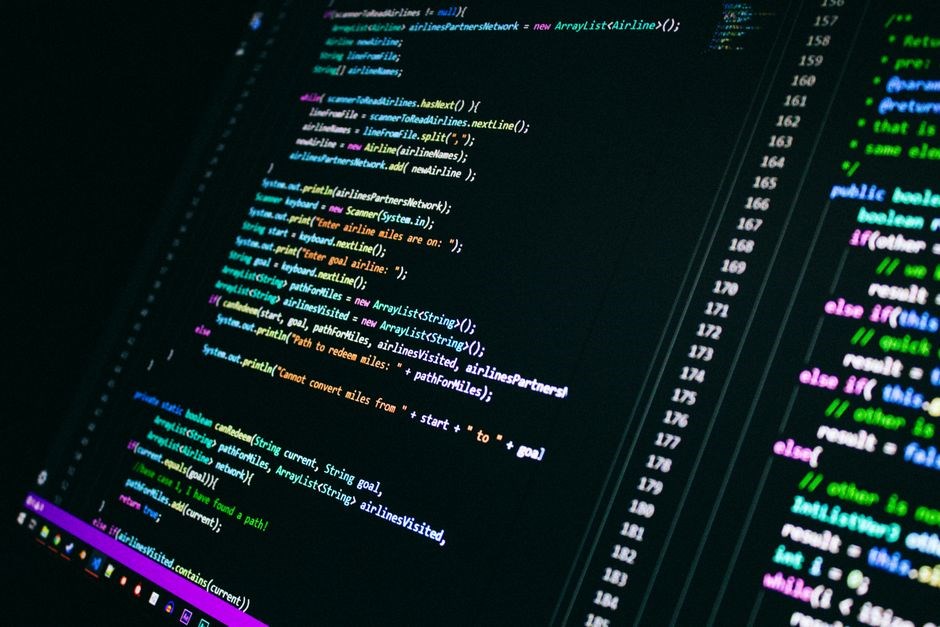
Recursion fundamentals are briefly covered, showing how algorithms appear in coding interviews with key patterns daily.
Publication and edition details
The Algorithms for Dummies PDF was first released in 2018 by Wiley‑Interscience, a division of John Wiley & Sons known for educational titles. The initial edition spans 240 pages of densely packed, beginner‑friendly explanations, and it was available in both print and digital formats. In 2021, a second edition was published to incorporate recent developments in algorithmic theory and to update code examples to Python 3.9 and Java 17. This edition added a new chapter on machine‑learning preprocessing algorithms and expanded the discussion of graph theory to include network flow and shortest‑path algorithms such as Dijkstra’s and Floyd‑Warshall. The cover design was refreshed with a modern, minimalist aesthetic. The PDF version is formatted for easy navigation, featuring clickable table of contents, hyperlinked cross‑references, and embedded search capability. The publisher’s official website offers a free preview of the first 50 pages, while the full PDF can be accessed through authorized academic libraries or purchased directly from the Wiley online store. The book’s licensing terms grant non‑commercial use for educational purposes, with a standard copyright notice and a requirement to attribute the author, David J. Smith, a professor of computer science at the University of California, Berkeley. Readers can also download the companion workbook, which contains 20 extra exercises and solutions.!!

Core Content and Examples
The PDF explores foundational algorithms—sorting, searching, graph traversal—using plain language and illustrative diagrams. Each chapter presents code in Python and Java, step‑by‑step explanations, and hands‑on exercises. Real‑world case studies demonstrate practical applications.
Key algorithmic concepts explained
In the Algorithms for Dummies PDF, the core concepts are broken into digestible sections. First, the book introduces time and space complexity, using Big‑O notation to compare algorithm efficiency. Next, it covers divide‑and‑conquer strategies, illustrated by merge sort and quicksort, showing how splitting problems reduces overall work. The text then explains dynamic programming, with classic examples such as the Fibonacci sequence and the knapsack problem, emphasizing memoization to avoid redundant calculations. After that, greedy algorithms are presented through the activity‑selection and coin‑change problems, highlighting the importance of locally optimal choices. The PDF also delves into graph theory, teaching breadth‑first search, depth‑first search, Dijkstra’s algorithm, and minimum spanning tree concepts, supported by visual diagrams. Finally, the book discusses hash tables and collision resolution, linking theory to practical data‑structure usage. Each section includes pseudocode, real‑world analogies, and practice problems to reinforce learning.
Beyond the core lessons, the PDF includes a comprehensive appendix that covers advanced topics such as amortized analysis, randomized algorithms, and parallel computing strategies, complete with annotated code samples, performance benchmarks, and suggested reading lists to expand the learner’s horizon. Readers experiment with variations of the presented algorithms, record performance metrics, and compare results, understanding deeply how algorithmic choices impact real‑world applications!
Practical example algorithms illustrated

Algorithms for Dummies PDF uses hands‑on examples to ground theory. First, the classic quicksort is shown with a clear partition routine, illustrating average‑case O(n log n) performance. Next, binary search is implemented on a sorted array, with step‑by‑step pointer movement and a time‑complexity analysis. The book then demonstrates dynamic programming through the Fibonacci sequence, using memoization to reduce exponential time to linear. A knapsack example follows, with a two‑dimensional table and backtracking to recover the chosen items. For greedy strategies, the activity‑selection problem is solved by sorting intervals by finish time, selecting the maximum number of non‑overlapping activities. Graph theory is covered with Dijkstra’s algorithm on a weighted adjacency list, including a priority queue implementation. Each example is accompanied by pseudocode, a C++ snippet, and a visual diagram that clarifies data flow. Readers are encouraged to code each algorithm, run test cases, and compare runtime graphs to internalize the trade‑offs between simplicity, speed, and memory usage. This practical focus ensures that even novices can implement and tweak these algorithms confidently in real projects! Additionally, the PDF includes a comparative table that lists each algorithm’s best‑case, average‑case, and worst‑case complexities, along with typical use‑case scenarios enabling learners to choose the most efficient solution for their problem domain thereby enhancing decision skills.

Audience, Learning Outcomes, and Author Background
The book targets beginners, college students, and hobbyists seeking clear explanations. Readers gain intuition about algorithmic complexity, practical coding skills, and problem‑solving strategies. Author, a seasoned computer scientist, brings decades of teaching experience and industry insight with projs.
Target readers and learning objectives
The book targets high‑school seniors, undergraduate students, and self‑taught programmers, the PDF demystifies algorithms by breaking them into bite‑size lessons. Readers learn to identify problem types, choose appropriate data structures, and write clear pseudocode. The book emphasizes the “why” behind each algorithm, enabling learners to adapt techniques to new challenges. By the end, readers can analyze time and space complexity, implement basic sorting and searching routines, and explain algorithmic trade‑offs in plain language. The curriculum also encourages critical thinking through short exercises that reinforce concepts and foster confidence in tackling unfamiliar problems. This approachable format makes it ideal for anyone who wants to build a solid foundation in algorithmic thinking without prior exposure to advanced mathematics.
The book targets high‑school seniors, undergraduate students, and self‑taught programmers, the PDF demystifies algorithms by breaking them into bite‑size lessons. Readers learn to identify problem types, choose appropriate data structures, and write clear pseudocode. The book emphasizes the “why” behind each algorithm, enabling learners to adapt techniques to new challenges. By the end, readers can analyze time and space complexity, implement basic sorting and searching routines, and explain algorithmic trade‑offs in plain language. The curriculum also encourages critical thinking through short exercises that reinforce concepts and foster confidence in tackling unfamiliar problems. This approachable format makes it ideal for anyone who wants to build a solid foundation in algorithmic thinking without prior exposure to advanced mathematics.
Both the author’s academic background and the publisher’s editorial rigor combine to create a resource that balances depth with accessibility. The PDF includes concise definitions, illustrative diagrams, and step‑by‑step walkthroughs that help readers move from conceptual understanding to practical implementation. It also features a glossary of key terms, a list of recommended textbooks, and links to online coding platforms where readers can experiment with the algorithms discussed. By integrating theory with hands‑on exercises, the book encourages active learning and reinforces the importance of algorithmic thinking in modern software development, data analysis, and problem‑solving across disciplines. Readers can explore notebooks that illustrate each algorithm fully soon!
Accessing, Licensing, and Distribution
Official PDF download sites are listed on the publisher’s website and major e‑book retailers. The file is licensed under a standard copyright, allowing personal use and educational copying. Commercial redistribution requires a separate license. Always verify the source before sharing. DRM. and safe for all users.
Official PDF download sources

For those seeking the Algorithms for Dummies PDF, the most reliable avenues are the publisher’s official portal and reputable digital libraries. The publisher’s website hosts a secure download link that requires a valid purchase or library access code. Additionally, major e‑book platforms such as Amazon Kindle, Google Books, and Apple Books offer the PDF in their catalog, often bundled with supplementary study guides. Academic institutions frequently provide institutional access through their library’s electronic resource portal, where students can download the PDF after logging in with university credentials. Libraries such as the Library of Congress and the British Library also maintain digital copies in their open‑access collections, though these may be restricted to on‑site use. For open‑access alternatives, the Internet Archive occasionally hosts user‑uploaded copies, but these should be verified for authenticity and copyright compliance. Always ensure that the source is legitimate to avoid pirated versions that may contain malware or incomplete content. When downloading, use a secure HTTPS connection and verify the file’s checksum if provided. This guarantees the integrity of the PDF and protects against tampering. Finally, for educators, many publishers offer bulk licensing options that allow multiple downloads for classroom use, ensuring compliance with copyright law while providing students with the necessary materials. Moreover, many libraries offer inter‑library loan services that can deliver the PDF to your local branch, ensuring you have access even if your institution does not hold a copy. In addition, the publisher periodically releases updated editions that include new chapters on machine learning algorithms, making the PDF a living resource that evolves with the field.OK
Copyright status and fair use considerations
Algorithms for Dummies PDF is a copyrighted work owned by the publisher and the author. The text is protected under U.S. copyright law and international treaties, meaning that copying, distributing, or modifying the PDF without permission is prohibited. However, the publisher has granted limited licenses for personal, non‑commercial use, allowing readers to download and keep a single copy for study; The document is not in the public domain, and any resale or redistribution of the PDF is illegal unless the rights holder explicitly authorizes it. For educational purposes, many institutions have institutional licenses that permit students and faculty to download the PDF through the library’s electronic resource portal. In the absence of such a license, individuals may rely on the U.S. fair‑use doctrine, which permits limited copying for purposes such as criticism, comment, news reporting, teaching, scholarship, or research. Fair use is evaluated on a case‑by‑case basis, considering factors such as the purpose of use, the nature of the copyrighted work, the amount of the portion used, and the effect on the market value. Small excerpts for classroom discussion or a brief excerpt in a research paper may qualify, but large sections or the entire PDF typically do not. Users should also be aware of the U.S. Digital Millennium Copyright Act (DMCA), which prohibits circumvention of digital rights management (DRM) and the use of unauthorized tools to remove protection. When sharing or posting the PDF online, it is essential to obtain the PDF through official channels, respect licensing terms, and consult the institution’s copyright office for guidance on permissible use. Failure to comply can result in civil liability, fines, or even criminal penalties. Therefore, the safest approach is to obtain the PDF through official channels, respect licensing terms, and consult the institution’s copyright office for guidance on permissible use. Readers are encouraged to consult the publisher’s licensing policy for specific use cases and to avoid unauthorized distribution. Additionally, institutions should verify that their digital library agreements cover the PDF’s use in classroom settings and that students receive proper citation guidelines. This ensures compliance and protects intellectual property rights. Compliance safeguards both authors and readers!!.
Alternative platforms and legal alternatives
For readers seeking a legitimate copy of Algorithms for Dummies PDF, several reputable platforms provide licensed access. The publisher’s official website offers direct purchase or subscription options, often bundled with supplementary materials such as video tutorials and interactive quizzes; Major academic distributors like SpringerLink, Wiley Online Library, and O’Reilly Media host the title in digital format, allowing students and faculty to download PDFs through institutional library subscriptions. Public libraries, through services such as OverDrive or Hoopla, sometimes carry e‑book versions that can be borrowed for a limited period. Open‑access repositories, such as the Internet Archive, may host older editions under Creative Commons or public‑domain status, but users should verify the license before downloading. For those who prefer a free option, the publisher occasionally releases a preview or a chapter‑by‑chapter sample on platforms like Google Books, which can be read online. Additionally, many universities maintain an internal e‑book portal that grants students access to the PDF as part of their course materials, provided the institution has purchased a license. Always check the terms of use on each platform; some allow offline reading while others restrict sharing. By using these legal avenues, readers avoid copyright infringement and support the authors and publishers who invest in quality educational resources. Remember to cite source properly when using excerpts in academic work, and consult your institution’s copyright policy for guidance on permissible use.!

Recommendations for using the PDF responsibly
When accessing the Algorithms for Dummies PDF, it is essential to respect intellectual property rights and follow best practices that promote ethical use. First, obtain the file through legitimate channels—such as the publisher’s official site, a licensed academic library, or a reputable e‑book retailer—so that authors and distributors receive proper compensation. Second, limit personal use to the scope of the license; avoid downloading multiple copies or distributing the PDF to others without explicit permission. If you need to share excerpts for study or teaching, use short quotations and provide proper attribution, referencing the author, title, and publisher. For collaborative projects, consider using the publisher’s provided study guides or supplementary materials, which are often designed for group discussion. Third, protect the document from unauthorized copying by disabling printing or using DRM‑protected PDFs when available. If you must print, do so only for personal study and keep the printed copies in a secure location. Fourth, respect privacy and security; do not embed personal data or sensitive information into the PDF before sharing. Finally, stay informed about copyright law changes in your jurisdiction and adhere to fair‑use guidelines, which typically allow limited use for criticism, commentary, news reporting, teaching, scholarship, or research. By following these guidelines, you help sustain the creation of high‑quality educational resources while maintaining legal and ethical integrity. These guidelines help protect authors and keep the book available learners.