Ultimate Guide to Creating Your Abdominal Workout PDF
Welcome to this comprehensive manual. Learn how to design a professional digital training handbook. We will explore effective methods for organizing routines, selecting movements, and formatting layouts to help others achieve their fitness goals very efficiently.

The Importance of a Structured Core Plan
Having a deliberate strategy ensures that you hit every muscle group effectively. Without organization, progress stalls. A clear roadmap prevents injuries and keeps you focused on the right path toward achieving a stronger midsection right now.
Consistency and Tracking
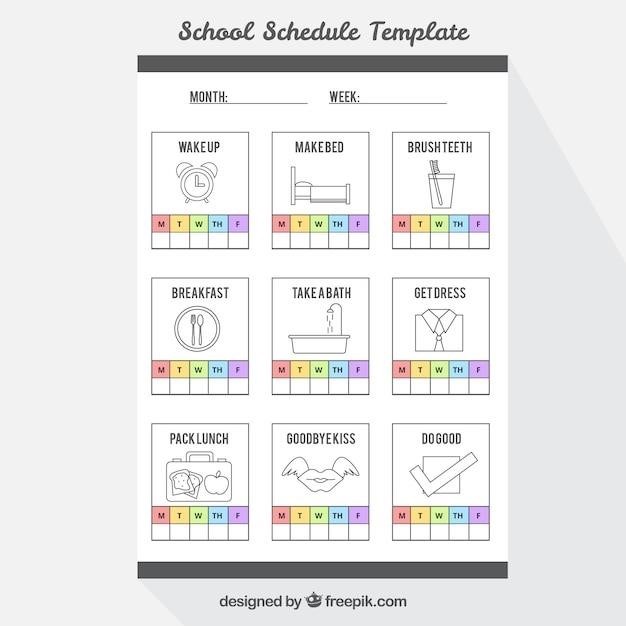
Consistency is the cornerstone of any successful fitness journey. When you create a digital training guide, incorporating a dedicated tracking system is vital. A well designed document should not only list exercises but also provide space for users to record their sets, repetitions, and perceived exertion. By logging every single session, athletes can visualize their progress over time, which serves as a powerful psychological motivator.
Furthermore, tracking allows for the application of progressive overload. Without a written record, it is nearly impossible to know if you are actually increasing the intensity of your training. Whether it is adding an extra five seconds to a plank or performing three more crunches per set, these small gains accumulate into significant results.
A portable format is ideal for this purpose because it can be printed or used digitally with annotation tools. By checking off completed workouts, the user develops a habit of accountability. This structured approach transforms a simple list of movements into a dynamic tool for transformation, ensuring that the user remains committed to their long term vision of a powerful and stable core every day.
Goal Setting for Core Strength

Establishing clear objectives is the primary step in developing a successful core training regimen. Within your digital guide, you should encourage users to define exactly what they hope to achieve. Are they seeking improved stability for sports, better posture for daily life, or perhaps the ability to perform a challenging movement? By setting specific targets, the trainee shifts from mindless repetition to purposeful action.
Integrating a section for SMART goals, which are Specific, Measurable, Achievable, Relevant, and Time-bound, allows the individual to create a roadmap for their success. For example, instead of vaguely wanting a stronger midsection, a user might aim to maintain a certain position for sixty seconds within four weeks. This clarity prevents frustration and provides a sense of accomplishment upon reaching each milestone.
A professional PDF should provide a dedicated space for these intentions to be written down. When a person commits their goals to paper or a digital screen, the likelihood of adherence increases significantly. This mental blueprint serves as a constant reminder of why the hard work is necessary, keeping the motivation high throughout the entire fitness program period.
Anatomy of the Core Muscles
Understanding the muscular structure is vital for designing an effective routine. A balanced approach targets various layers of the trunk, ensuring stability and power. Let us now examine the primary components making up your entire core.
Rectus Abdominis
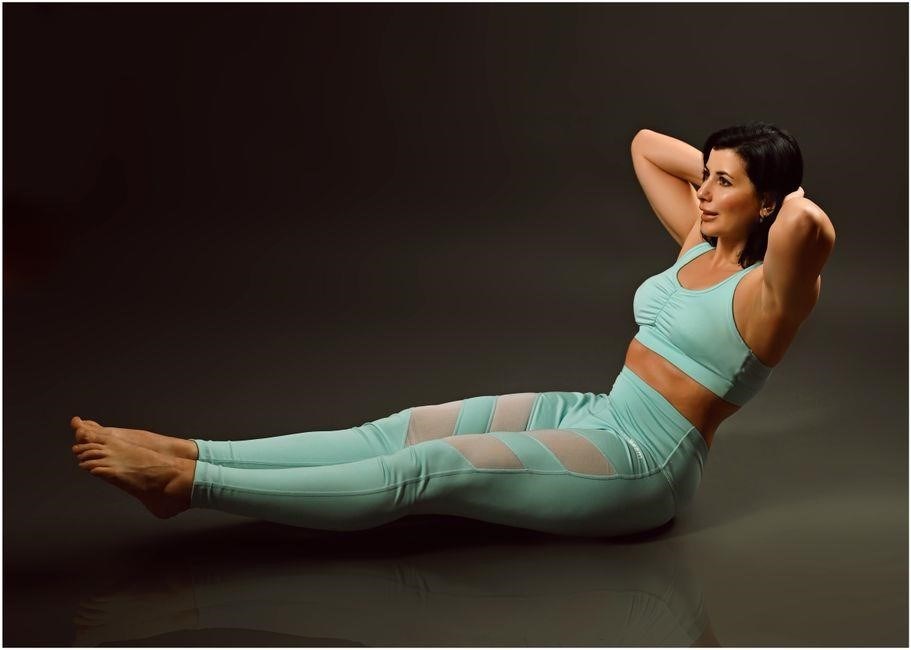
The rectus abdominis is the most visible part of the belly wall, often referred to as the “six-pack.” It is a long muscle that runs vertically from the xiphoid process of the sternum down to the pubic crest. Its primary function is flexion of the lumbar spine, which means it brings the ribcage closer to the hips. When creating your handbook, it is crucial to explain how this muscle works to ensure users perform exercises with the correct form. Focusing on this specific region allows for the development of the classic athletic look that many fitness enthusiasts desire. To effectively engage these fibers, movements must involve curling the torso forward. Including detailed anatomical descriptions in your digital guide adds a level of professionalism and authority, helping the reader understand the “why” behind every crunch or leg raise. By mastering the mechanics of this superficial muscle, trainers can design a sequence that maximizes hypertrophy and strength. Ensure that your instructional material emphasizes the mind-muscle connection, encouraging users to contract the muscle fully throughout the entire range of motion to achieve the best possible structural results.
Internal and External Obliques
The internal and external obliques are the muscles located on the sides of your torso, acting as the primary stabilizers for rotational movements. The external obliques are the outermost layer, while the internal obliques lie just beneath them, running in opposite directions. Together, they enable you to twist your waist and bend laterally, which is essential for athletic performance and overall balance. When you include this section in your digital guide, emphasize the importance of targeting these lateral muscles to create a tapered waistline and improve spinal stability. These muscles are not just for aesthetics; they play a critical role in transferring power between the lower and upper body during complex movements. In your document, explain how twisting motions and side planks specifically engage these fibers. By providing a clear understanding of how the obliques operate, your readers will be better equipped to execute rotational exercises with precision. Highlighting the synergy between these two layers ensures that the training plan is balanced, promoting functional strength and reducing the risk of injury during high intensity activities or heavy lifting sessions within any rigorous fitness program.
Transversus Abdominis
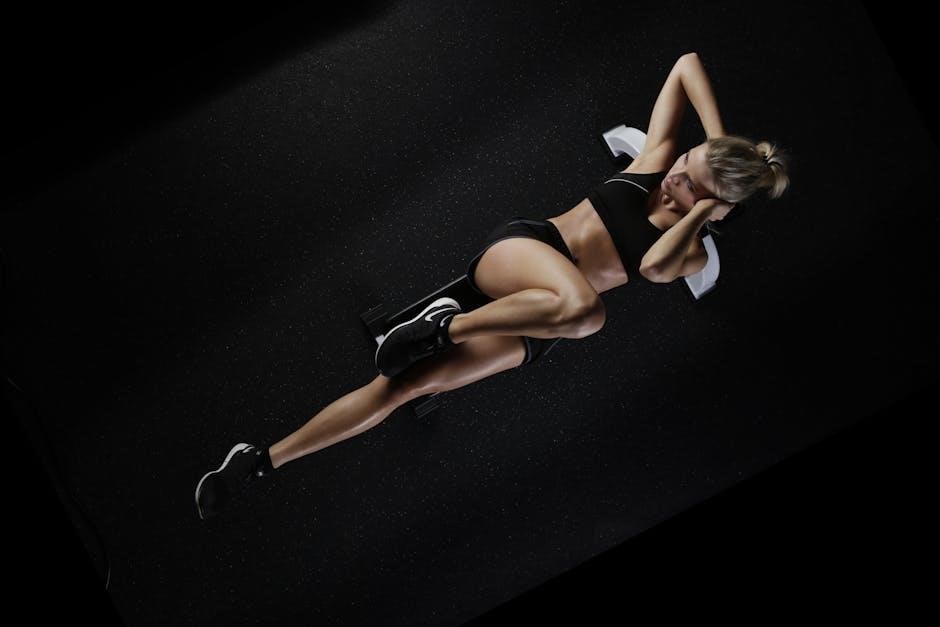
The transversus abdominis, often referred to as the body’s natural corset, is the deepest layer of the abdominal wall. Unlike the surface muscles that create visible definition, this muscle wraps horizontally around the torso, providing critical structural support for the spine and internal organs. When creating your training guide, it is vital to explain that this muscle is primarily responsible for stability and core tension rather than flexion. Its main role is to maintain intra-abdominal pressure, which protects the lower back during heavy lifting or sudden movements; To target this area, suggest exercises like the stomach vacuum or deep diaphragmatic breathing, where the goal is to draw the navel toward the spine. By including a dedicated section on this deep stabilizer, your PDF will offer a more holistic approach to core health, moving beyond mere aesthetics. Emphasize that a strong transversus abdominis is the foundation for all other abdominal movements, as it provides the necessary rigidity to execute more advanced exercises safely. Ensuring your readers understand this anatomical layer will help them avoid common lower back injuries and achieve a tighter, more supported midsection.

Essential Components of an Ab Workout PDF
A quality digital guide requires several key elements to be effective. By organizing your content logically, you ensure that users follow a safe progression. Now, let us examine the fundamental building blocks for a professional manual.
Warm-up and Mobility
Starting your digital guide with a dedicated section on preparation is crucial for user safety. A proper warmup increases the internal body temperature and enhances blood flow to the muscles, which prepares the nervous system for the upcoming physical effort. Within your PDF, emphasize the importance of dynamic movements over static stretching during this initial phase. Focus on exercises that mobilize the thoracic spine and hips, as stiffness in these areas often leads to poor form during core training. For example, suggest gentle rotations or spinal movements to awaken the vertebrae. By including a specific mobility routine, you help the user avoid potential injuries and improve their overall range of motion. This ensures that every contraction is efficient and the spine remains protected throughout the session. Remind the reader that spending just five to ten minutes on these movements can significantly enhance performance. A ready body responds better to intensity and recovers more quickly. Make sure to list these preliminary steps clearly so that no one skips this vital stage before jumping into the more demanding parts of the abdominal training program. It helps.
Primary Strength Exercises
The core of your digital guide must prioritize high-impact movements that challenge the abdominal wall through varying levels of resistance. When designing this specific section of the PDF, focus on incorporating a mix of isometric holds and dynamic contractions. Explain how to implement progressive overload, which is the gradual increase of stress placed upon the body during exercise. This could involve adding weights, increasing repetitions, or decreasing rest intervals between sets. It is essential to provide clear, step-by-step instructions for each movement to ensure the reader maintains a neutral spine and avoids excessive lower back strain. Use bullet points to list key cues for stability, such as drawing the navel toward the spine. Additionally, suggest a structured set and rep scheme that balances volume with intensity. By organizing these exercises logically, you create a roadmap that guides the user from foundational strength to advanced endurance. Emphasize that quality of movement always trumps quantity of repetitions. A well-structured strength segment transforms a simple list of moves into a professional training system that delivers measurable results for anyone following the guide consistently every single training week.
Cool-down and Stretching
To conclude your fitness document, dedicate a section to recovery techniques that help the body transition from high intensity to a resting state. A proper cool-down phase is vital for reducing muscle tension and improving overall flexibility after a rigorous session. In your PDF, include specific stretches like the Cobra pose to elongate the abdominal muscles and the Child’s pose to release tension in the lower back. Explain the importance of deep, diaphragmatic breathing to lower the heart rate and calm the nervous system. Advise users to hold each static stretch for twenty to thirty seconds to maximize the benefit of the muscle lengthening process. You should also mention that gentle movement helps clear metabolic waste from the tissues, reducing the likelihood of excessive soreness the following day. Providing clear visual cues or descriptions of these stretches ensures that users perform them safely and effectively. By integrating a dedicated recovery phase, your guide becomes a holistic tool that prioritizes longevity and injury prevention. This final step ensures the user feels refreshed and ready for their next session, completing the cycle of a professional plan.

Best Exercises to Include in Your PDF
Selecting the right movements is crucial for a balanced routine. Your guide should feature a mix of stability and dynamic exercises. Ensure variety to keep users engaged while focusing on form and progressive overload techniques daily.
Targeting the Upper Abs
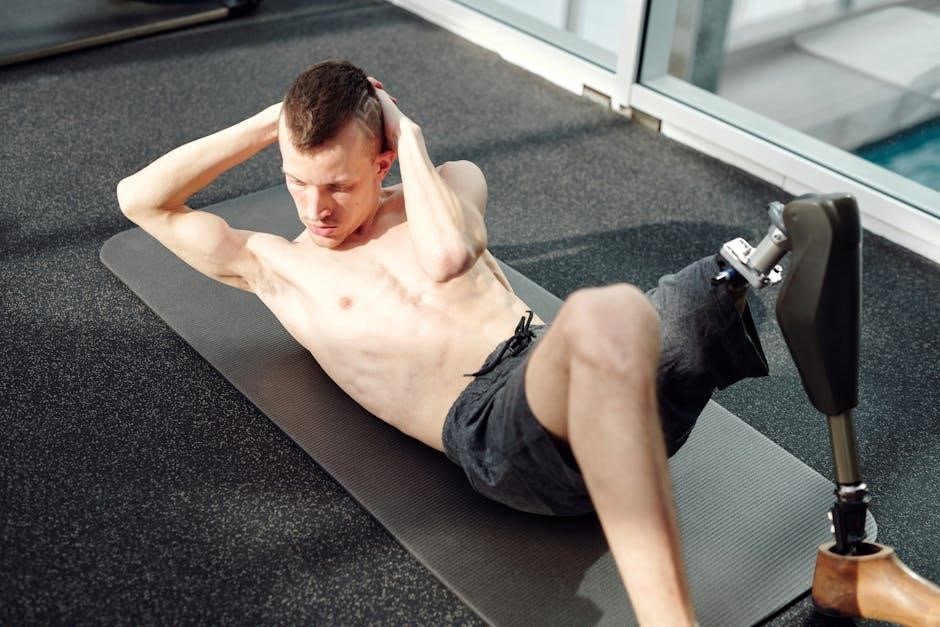
When drafting your digital guide, dedicate a specific area to the upper region of the midsection. The primary goal here is to create a strong contraction that pulls the chest toward the hips. Start by recommending classic crunches, which are fundamental for beginners due to their simplicity and effectiveness. Encourage users to avoid pulling on their necks to prevent injury. Next, introduce weighted crunches or cable crunches to introduce resistance, which is essential for muscle hypertrophy. Explain that controlled movements and a deep exhale during the peak contraction maximize the engagement of the upper fibers. You might also suggest the V-up variation, focusing specifically on the initial lift. Emphasize the importance of a slow tempo, as rushing through repetitions often leads to momentum rather than muscle tension. By detailing these specific movements, your document provides a clear roadmap for those wanting defined upper abdominals. Remind your readers to maintain a flat back against the floor during floor-based exercises. This precision ensures that the targeted muscles are doing the work, leading to better results and a more professional training experience for every single user.
Targeting the Lower Abs
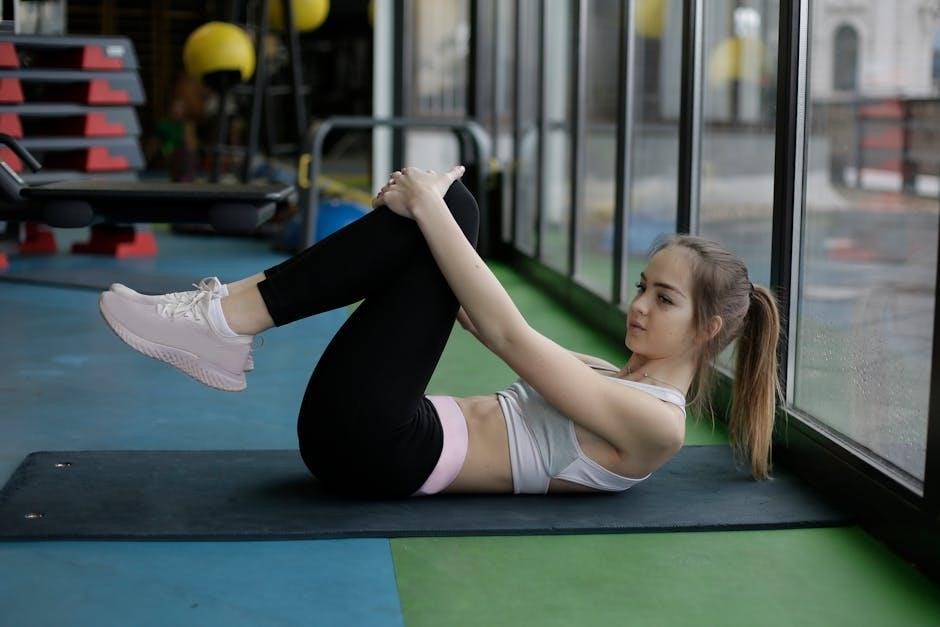
To effectively address the lower region of the midsection in your document, focus on movements where the legs move toward the torso. This mechanical shift targets the lower portion of the muscle group more intensely. Start by suggesting lying leg raises; instruct users to keep their lower back pressed firmly against the floor to avoid strain. Next, incorporate reverse crunches, where the hips are lifted off the ground, creating a powerful contraction. For advanced trainees, recommend hanging leg raises or knee tucks, which increase the intensity and challenge stability. Emphasize the importance of a slow, controlled eccentric phase, as gravity often causes users to drop their legs too quickly, reducing the effectiveness of the set. Mention that breathing out during the lift helps in engaging the lower abdominal wall. By including these specific options, your guide ensures a balanced approach to midsection development. Remind users to prioritize form over the number of repetitions to prevent hip flexor dominance. Providing these detailed cues transforms a simple list of exercises into a high-quality instructional resource that truly guides the user toward their desired physique and strength.
Shaping the Obliques
To carve out the sides of the waist in your digital guide, you must include movements centered on rotation and lateral flexion. These actions isolate the obliques, which are essential for stability and twisting power. Start by recommending Russian twists; suggest using a weight to increase the challenge while maintaining a steady torso. Another excellent addition is the side plank, which emphasizes isometric strength and improves overall lateral stability. For those seeking dynamic movement, integrate bicycle crunches, emphasizing the rotation of the elbow toward the opposite knee. You should also include heel touches to target the sides through controlled lateral bending. Advise users to avoid excessive weight on these exercises to prevent thickening the waist, focusing instead on high repetitions and precise contractions. Explain that the obliques act as stabilizers for the spine, making them crucial for athletic performance and posture. By detailing these specific techniques, your manual provides a complete strategy for achieving a tapered look. Ensure that the instructions highlight the mind-muscle connection, urging users to feel the squeeze on each side during every single repetition they perform. This ensures total results.

Optimizing Results for Visible Abs
To reveal your core, focus on holistic lifestyle habits. Prioritize quality sleep to aid muscle recovery and manage daily stress. Controlling cortisol levels is essential, as high stress often hinders muscle definition and physical results greatly.
Nutrition and Caloric Deficit
Achieving a lean midsection requires a strategic approach to eating. An energy shortfall is the fundamental requirement for fat loss, meaning you must consume fewer calories than your body burns daily. This process encourages the body to utilize stored fat for energy, eventually uncovering the muscle fibers beneath the surface. To maintain muscle mass while losing weight, prioritizing high protein intake is crucial. Lean sources like chicken, fish, and legumes support recovery and satiety. Additionally, focusing on whole, unprocessed foods ensures a steady supply of micronutrients, which optimizes metabolic functions. Avoid refined sugars and excessive sodium, as these often lead to water retention and bloating, masking your hard-earned progress. Hydration also plays a vital role; drinking plenty of water helps flush toxins and maintains energy levels during intense sessions. Incorporating healthy fats from avocados or nuts provides essential hormones for fat oxidation. By combining a precise dietary plan with your training, you create the ideal environment for definition. Consistency in your kitchen is just as important as consistency in the gym. Tracking macros can provide the necessary clarity to ensure you stay on track.

Final Checklist for Your Workout PDF
Before publishing your digital guide, verify every detail to ensure a professional result. First, confirm that the visual layout is consistent, using a legible font and balanced white space. Ensure that every instructional step is concise and easy for a beginner to follow without confusion. Verify that all hyperlinks are active and lead to the correct destination. A critical addition is a medical disclaimer, reminding users to consult a professional before starting any new physical regime. Check that your images are high-resolution and clearly demonstrate the correct form to prevent injuries. Ensure you have included a section for user notes or a progress log to encourage engagement. Review the document for any spelling errors or grammatical mistakes that could undermine your authority. Finally, test the file on multiple devices, such as smartphones and tablets, to ensure the formatting remains intact across different screens. By ticking off these final boxes, you guarantee that your resource is polished, safe, and highly effective for your audience. This meticulous review process separates a basic document from a truly elite fitness asset that provides genuine value to every single reader.