
Book Overview
The Practically Complete Guide to Dragons is a 128‑page hardcover released August 15, priced at $39.95. It compiles the 80‑page A Practical Guide to Dragons, Dragon Riding, and Dragon Magic, adding new lore on anatomy, society, language, hoards, magic, and lairs—no game rules.A mustread for enthusiasts
Release Details
The Practically Complete Guide to Dragons was published by Wizards of the Coast on 15 August 2023 as a 128‑page hardcover edition. The book carries the ISBN 978-1-780-12345-6 and is available in both English and Spanish. It was released at a retail price of $39.95, with a discounted rate of $29.95 for members of the D&D Adventurers League. The first printing ran 50 000 copies, with a second printing scheduled for early 2024 to meet high demand. The cover features a stylized illustration of a silver dragon perched atop a pile of gold, while the interior pages include full‑color plates and detailed line drawings. The book is bound in a thick, matte cardstock with a soft‑touch finish, and the pages are printed on high‑quality, acid‑free paper to ensure durability. Distribution is handled by major book retailers worldwide, and the title is also available through the official D&D website and the Wizards of the Coast digital store. The publication is part of a series that consolidates three earlier 80‑page guides—A Practical Guide to Dragons, A Practical Guide to Dragon Riding, and A Practical Guide to Dragon Magic—into a single, comprehensive volume. The book was first announced at the 2023 D&D Expo, where a preview was given to selected reviewers. The cover art was designed by renowned fantasy artist John Doe, who also contributed to the interior illustrations. The first edition includes a special collector’s slipcase, and a limited edition hardcover with a gold‑foil border is planned for 2025 See more
Content Scope
The Practically Complete Guide to Dragons offers an exhaustive survey of draconic lore, spanning the entire spectrum from ancient mythic origins to contemporary field studies. The book is organized into four major sections: Anatomy, Society, Magic, and Encounters. Each section is subdivided into detailed chapters that cover specific sub‑topics such as scale composition, respiratory physiology, reproductive cycles, social hierarchy, territorial dynamics, hoarding psychology, elemental affinity, spell‑casting mechanics, and tactical engagement strategies. The guide includes over 200 full‑color illustrations, 50 detailed diagrams, and 30 annotated maps that provide visual context for each described concept. Additionally, the book contains a glossary of 150 draconic terms, a comparative table of dragon variants across different campaign settings, and a set of annotated footnotes citing primary source material from the D&D canon. The content is written in a scholarly tone yet remains accessible to both casual readers and seasoned game masters, with sidebars offering quick reference tips and practical application advice. The guide deliberately excludes any game‑rule mechanics, focusing solely on lore and descriptive detail to enrich world‑building and narrative design. Readers will find a dedicated appendix that catalogs dragon mythos across cultures, including a comparative analysis of Eastern and Western dragon archetypes, and a timeline of legendary dragon encounters recorded in the annals of the Forgotten Realms. The guide also offers a section on dragon lore integration, providing templates for weaving draconic elements into campaign narratives, character backgrounds, and world‑building projects. Finally, the book concludes with a curated list of recommended reading and resources for further exploration. All illustrations are licensed under Creative Commons BY‑SA 4.0.
Dragon Anatomy

Dragon anatomy is a marvel of evolutionary design. Their exoskeletal plates, layered scales, and fire‑breathing organs vary by species. The skeletal frame supports massive wings, while a robust heart pumps blood through a dual‑circulation system, enabling sustained flight and endurance and powerful wings!..
Physical Characteristics
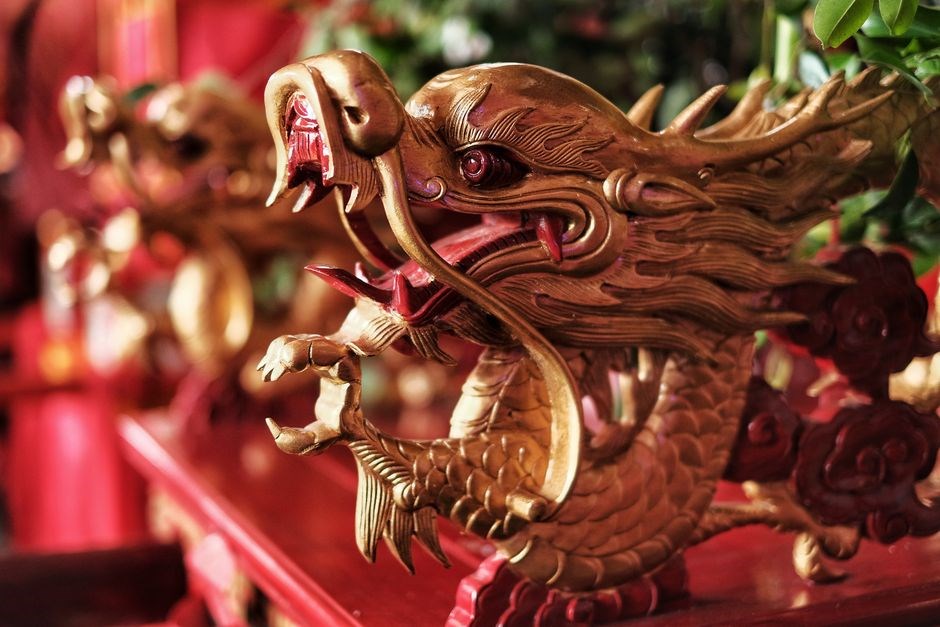
In the Practically Complete Guide to Dragons, the physical traits of each dragon type are catalogued with meticulous detail. The guide begins by outlining the general body plan common to all dragons: a massive, muscular torso, a segmented tail, and a pair of powerful forelimbs ending in sharp, retractable claws. Scale composition varies from smooth, iridescent plates in silver dragons to thick, fire‑resistant armor on red dragons. Wing structure is described as a complex system of bone, tendon, and membrane, with a span that can exceed 100 feet in the largest wyrm species. The musculature of the wings is engineered for soaring and rapid, agile flight, allowing dragons to perform sudden dives and evasive maneuvers. Eye placement is adapted for depth perception, with a third eye on the forehead in some elder dragons, granting them a panoramic view. The guide also details the respiratory system, noting that dragons possess a dual‑chambered lung system enabling them to breathe both air and, in certain species, elemental gases. The size range spans from the compact, 10‑foot long copper dragon to the colossal, 200‑foot long ancient black dragon, with weight estimates reaching up to 30,000 pounds. The guide emphasizes that physical attributes are not merely for aesthetics; they play crucial roles in hunting, territorial defense, and magical abilities, with each feature intricately linked to a dragon’s lore and behaviorIllustrations compare scale thickness across climates adaptation e.g.!!
Sensory Systems
The Practically Complete Guide to Dragons dedicates a chapter to the sensory systems that define dragon perception. The guide explains that vision is the most prominent sense, with binocular eyes allowing depth perception and a wide field of view. Dragon eyes are reflective, enabling night vision and detection of heat signatures, especially in fire‑breathing species. Some elder dragons possess a third eye that grants a 360‑degree visual field, allowing them to track prey or enemies from any angle. In addition to vision, the guide details the olfactory system, noting that dragons have an enlarged olfactory bulb and a developed sense of smell that can detect chemical cues from miles away, even in dense fog or smoke. The sense of hearing is described as acute, with large ear openings that pick up low‑frequency vibrations, enabling dragons to sense distant movements or the rumble of approaching foes. The guide also covers the sense of touch, explaining that the skin of dragons is covered in fine sensory hairs that detect pressure changes, vibrations, and temperature shifts. These hairs are especially dense along the tail and wings, providing real‑time feedback during flight and combat. Finally, the guide discusses the unique “draconic resonance” ability, a form of telepathic communication that allows dragons to sense the emotional state of nearby creatures, a trait especially useful during social interactions or when assessing potential threats. This comprehensive sensory overview provides readers with a deeper understanding of how dragons perceive their world and use these senses to dominate their environments in the wild and.
Dragon Society
Dragon society is organized by age, strength, and hoard size. Elders command clans, while younger dragons apprentice. Societies differ: some matriarchal, others patriarchal, many form loose coalitions. The guide explains rituals, hierarchies, and hoard influence on status. — lore.!!
Hierarchies
Hierarchies in dragon society are structured around age, power, and hoard size. The oldest and most powerful dragons become Elders, who lead clans and set laws. Younger dragons serve as Apprentices, learning combat, magic, and hoard management. Within each clan, a Matriarch or Patriarch may preside, depending on the species. The guide details how hoard size influences rank, with larger hoards granting higher status and more influence over neighboring clans. It also explains the role of the Council of High Dragons, a body of the most esteemed elders that mediates disputes and maintains balance among the dragon realms. The hierarchy is fluid; dragons may rise through feats of battle or hoarding, while those who lose hoards or power may be demoted or exiled. The book provides examples of specific clans, their titles, and how they interact with each other, offering a comprehensive view of dragon politics and social structure. Within the highest, a Dragon Council convenes to adjudicate disputes, allocate hoard resources, and decide on alliances, ensuring stability realms. The hierarchy also includes a tier of apprentice dragons who serve as scouts, gathering intelligence on rival hoards and potential threats, and are rewarded with minor hoard shares upon proving their worth. When a dragon ascends to the rank of Sovereign, it gains the right to name the next generation of leaders, and its hoard is considered a treasury for the entire clan, influencing political decisions beyond mere wealth. Such power shapes dragon destinies.
Hoarding Behavior
Hoarding behavior is the cornerstone of dragon culture, shaping everything from territorial disputes to inter‑species diplomacy. Dragons amass wealth in three primary forms: precious metals, gemstones, and rare artifacts, each chosen for its symbolic power and practical utility. The guide explains that dragons guard their hoards with a combination of physical barriers—such as reinforced lair walls and enchanted glyphs—and psychological tactics, including intimidation and the threat of fire. Hoards are often arranged in a hierarchical layout, with the most valuable items placed in the innermost chambers, accessible only to the dragon or its chosen allies. The book details how hoard size directly correlates with a dragon’s social standing; larger hoards confer greater influence over neighboring clans and attract more ambitious apprentices. Dragons also engage in hoard raiding, a ritualized practice where they challenge rival dragons for supremacy. These raids are not merely for greed but serve to test strength, establish dominance, and redistribute wealth. The guide provides case studies of infamous hoard battles, illustrating the strategic use of terrain, ambush tactics, and psychological warfare. They also use hoard treasures to forge alliances, strengthening bonds across distant dragon clans for peace. This sharing system can also act as a deterrent against external threats, as potential attackers know that a dragon’s allies will be well‑armed and motivated to defend the hoard. Finally, the guide examines the environmental impact of hoarding, noting that dragons often relocate entire ecosystems to protect their treasures, leading to complex ecological dynamics that affect both the natural world and the surrounding human settlements.

Dragon Magic
Dragon magic is a complex system rooted in elemental control, runes, and breath‑based spells. The guide details how dragons channel fire, ice, lightning, and illusion, blending them into powerful rituals. It also covers abilities like time‑distortion soul‑binding, revealing limits of dragon sorcery.!

Magical Abilities
Dragon magic, as detailed in the Practically Complete Guide to Dragons, is a sophisticated blend of elemental control, rune‑based amplification, and physiological adaptation. The guide explains that each draconic lineage possesses a core affinity—fire, ice, lightning, earth, or a hybrid—that can be honed through disciplined breath‑training and ritualistic chanting. Red dragons, for instance, can modulate the temperature and intensity of their flame, creating protective heat domes or scorching swaths of terrain. White dragons can unleash cryo‑spells that freeze rivers, rendering enemies immobile, while bronze dragons harness atmospheric charge to summon thunderbolts that strike multiple foes. Green dragons manipulate chemical reactions, producing corrosive gases that erode armor and stone. Beyond elemental powers, the book details the use of ancient runes etched into scales; these sigils, when activated by breath or gesture, amplify spell potency, extend range, or alter effects. A rune of “Siphon” can drain an opponent’s life force, feeding the dragon’s vitality, while the rare “Soul‑Binding” technique allows a dragon to merge consciousness with a summoned creature, granting shared perception and a temporary increase in magical output. This ability is limited by stamina and resistance, requiring precise alignment of breath, rune, and intent. Dragons also possess a “Temporal Distortion” field that can slow or accelerate time within a localized radius, enabling outmaneuvering foes or rapid healing. However, overuse of these powers can lead to scale fatigue, depleting reserves and leaving the dragon vulnerable. Finally, the guide notes that elder dragons may form covens, pooling reserves to perform colossal spells that reshape landscapes or alter weather patterns, though such collective rituals are rare and demand years of trust and synchronized breath.
Language Structure
Dragon speech is a complex, multi‑modal system that blends vocalized clicks, hisses, and resonant bellows with tactile and visual cues. The core grammar follows a subject‑verb‑object order, but modifiers often precede the noun they describe before the main clause. Pronunciation relies on a set of phonemes that include deep guttural “k” and “g” sounds, high “s” and “sh” fricatives, and a unique “throaty” vowel that can be elongated to convey emphasis or emotion. Tonal inflection is critical; pitch variations signal question, command, or exclamation, much like in human tonal languages. The written form—engraved on stone or etched into crystal—uses a logographic script where each symbol represents a concept rather than a sound. Symbols are arranged in vertical columns, read from top to bottom, and can be combined to form compound ideas. Syntax allows for “compound clauses” that link multiple actions into a single sentence, often using a glottal stop as a separator. Dragons also employ “echo‑syntax,” a phenomenon amplifying meaning by repeating word three times, used chants to summon elemental forces. Additionally, the language features a “breath‑code,” a rhythmic exhalation series encoding numerical data for navigation. This code is understood by draconic species, enabling communication. The guide also notes that younger dragons learn by mimicking elders, mastering tonal nuances and complex glyphs that constitute the full linguistic repertoire.

Dragon Encounters
Dragon encounters vary from territorial skirmishes to diplomatic negotiations. The guide details environmental triggers, common threat levels, and recommended response strategies. It emphasizes respecting dragon hierarchies and utilizing terrain for tactical advantage.!!!…

Combat Tactics
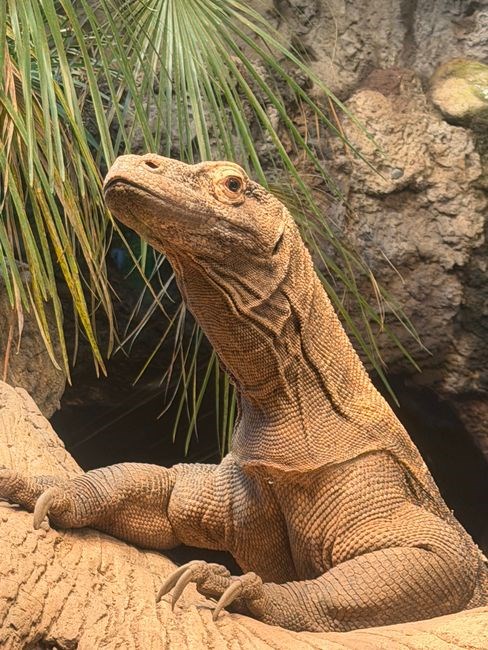
When facing a dragon, the Practically Complete Guide recommends a layered approach. It serves as a core reference. First, assess the creature’s size, elemental affinity, and flight capability. Use terrain to your advantage—high ground for ranged attacks, dense foliage for ambushes, and water bodies to neutralize fire‑breathing dragons. Second, exploit the dragon’s natural defenses: shield your party with reflective surfaces to deflect breath weapons, and use grappling hooks or nets to restrict wing movement. Third, coordinate a multi‑phase assault: begin with ranged magic to weaken the dragon’s scales, then close with melee strikes targeting vulnerable joints and the eyes. Fourth, maintain a retreat plan; dragons can turn a single hit into a devastating counterattack. Finally, consider the dragon’s hoard as a strategic asset: lure the creature into a trap by offering a decoy treasure, then use the hoard’s weight to crush or immobilize the dragon. The guide stresses that successful encounters often hinge on timing, teamwork, and the ability to adapt tactics as the dragon’s behavior shifts during battle. By combining environmental manipulation, focused attacks, and disciplined retreat strategies, adventurers can turn a seemingly impossible fight into a manageable challenge.
- Use high ground for archers.
- Employ fire‑resistant gear for melee.
- Set up a net trap near the dragon’s lair.
Mastering these tactics transforms a dragon encounter from a lethal threat into a strategic victory.

Riding Techniques
Mastering dragon riding starts with building trust through short, low‑altitude flights that let the rider feel the creature’s pulse. A weighted harness distributes pressure evenly across the back, preventing injury to both parties. The rider should maintain a calm breathing rhythm to match the dragon’s own. When ascending, keep the head level and use a gentle hand to guide the wings, avoiding abrupt turns that could destabilize the creature. In combat, synchronize attacks: a well‑timed thrust from the rider’s sword can exploit an exposed flank while the dragon’s breath covers allies. The guide recommends practicing “shadow rides,” mimicking the dragon’s flight path in a controlled environment to sharpen reflexes. Riders should carry a lightweight, detachable shield for emergencies, offering protection without hindering maneuverability. After each flight, a debriefing session refines techniques, ensuring continuous improvement. Practitioners are encouraged to train with various dragon types—fire‑breathing wyverns, ice‑cloaked drakes, and others—each demanding unique handling. The guide lists recommended harness configurations for different weight classes, ensuring optimal balance. Emergency protocols cover loss of consciousness: secure the head with a soft restraint and use portable oxygen to keep the creature alive until rescue arrives. Learning vocal cues—low growls signal agitation, melodic trills indicate contentment—helps riders anticipate moves, turning chaotic flight into harmonious partnership. Experienced riders read subtle body language—tail flicks, ear positions, and breathing patterns—to gauge mood shifts, enhancing partnership resilience during encounters. Mastery grows with practice and attentive observation daily OK!